How Hard It Is To Do the Right Thing?
How Hard It Is to Do the Right Thing
We like to believe that doing the right thing should be simple. If we’re good people – if we go to church, the mosque, the synagogue, or whatever our place of worship may be – if we work on ourselves, share uplifting posts on social media, and try to live with kindness, then surely, when the moment comes, we’ll know what to do. Surely it will feel natural? To step in in the face of abuse?
But the truth is, doing the right thing is rarely simple. It doesn’t come wrapped in clarity or praise. More often, it comes with judgment, misunderstanding, and rejection.
When I Tried to Do the Right Thing
Seven years ago, I crossed paths with a young person I felt was in danger. Their mother – a good woman – wasn’t emotionally available. I knew the child needed support. I tried to act, to protect.
But instead of being seen as caring, I was cast as the villain: the interfering one, the busybody. “Keep out of it,” I was told. Others just didn’t want “the hassle”.
Eventually, it was taken out of my hands. And I was left with the knowing a child was hurting, while I was powerless to stop it.
Seven Years Later
Life has a way of circling back. After a wedding, I was unexpectedly reunited with the same young person. Now 16, they needed something different this time, just a safe space.
So for a short while, they have been staying with me. No pressure. No demands.
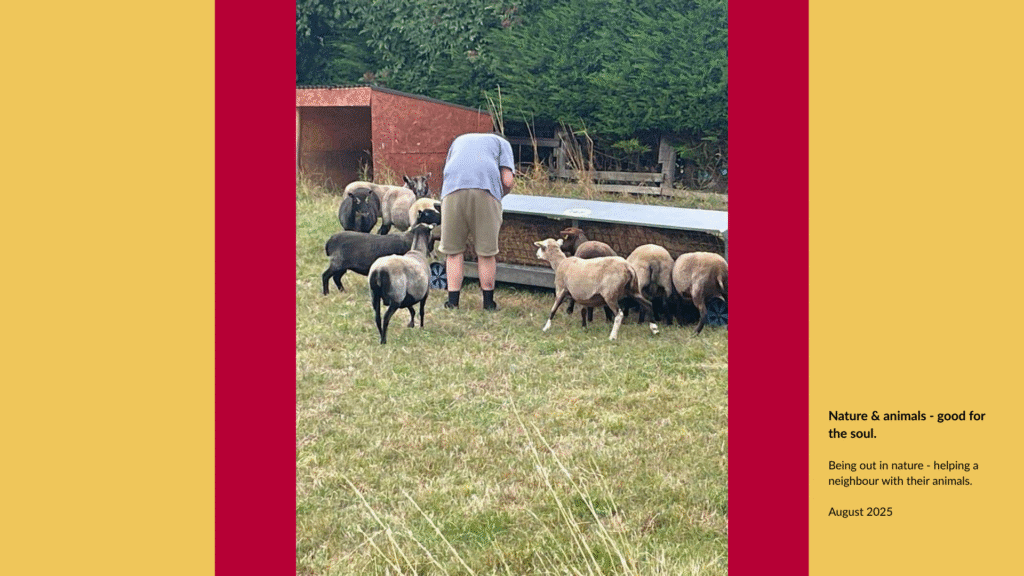
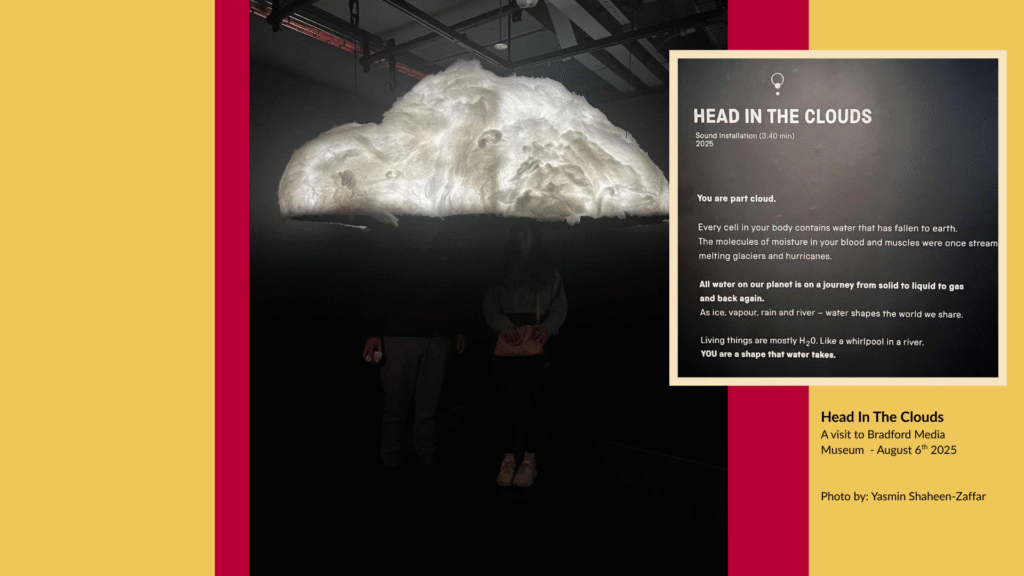
Just safety. They had time to apply for apprenticeships, to game late into the night with my emerging adult child, to wander through Bradford City of Culture events, to feed the neighbour’s sheep.
From the outside, it may have looked ordinary. But those moments were anything but. They were a pause in the chaos, a reminder that life could be steady, that they mattered. And when they returned home, they carried enough strength to stand up to their parent and say: Mum “We need support. I need support”.
And importantly, it wasn’t a one-way process. He contributed to the household too – helping with the weeding in the garden, doing the jobs I couldn’t manage, and earning some pocket money.
This mattered. Because support isn’t just about what we give to someone; it’s also about what they are welcomed to bring. Contribution builds dignity.
It says: “You are not a burden. You have value here.”
In many ways, this exchange of care and responsibility was just as important as the safety I offered. It shifted the dynamic from dependency to partnership.
He wasn’t simply being looked after; he was part of the household, part of the rhythm, part of something bigger than himself. And that gave him not only safety, but also self-respect.
What Support Really Looks Like
We often imagine “help” as dramatic rescues or grand interventions. But sometimes, help looks like a warm bed and a safe closed door. Sometimes it’s the absence of shouting and violence. Sometimes it’s having electricity and a laptop so you can apply for jobs and apprenticeships.
Sometimes it’s someone reading your applications and simply saying: “Good job.”
Because real support isn’t about rescuing. It’s about empowering someone with the safety, the tools, and the belief that they can shape their own life.
Although I am a trauma counsellor, in this moment I wasn’t wearing my “therapist” hat. I was wearing my “safe person” hat – kind, firm, but fair.
I wasn’t there to analyse, diagnose, or intervene. I was there to hold steady ground. To be the one adult who doesn’t flinch, doesn’t give up, and doesn’t use “help” as a disguise for control or abuse.
That’s the quiet power of support: not to rescue, but to stand alongside. To offer just enough stability that someone can begin to believe in their own strength. To see the possibility of life.
The Cost of Doing the Right Thing
Not everyone in my circle approved. Again, I was called interfering. Again, I was told I was overstepping. Again, I stood in the uncomfortable role of being misunderstood. At one point, the police were even called on me.
And yet – I would not change what I did. Because research tells us something profound: having just one safe adult can change the trajectory of a child’s life.
That adult doesn’t need to be perfect. They don’t need all the answers. They don’t need to be rich. They just need to stay. Sometimes it looks like making cups of tea, listening without fixing, or giving a lift across town so someone doesn’t have to face the bus journey alone. Just giving them a moment of your time. Sometimes its a neighbours kindness showing the possibilities of how life can be lived.
This young person told me they had always thought they had no one. I know that feeling too – I carried it as a child, and it has stayed with me most my life. The feeling of being left.
Many people offer “help” that is really about their own gain, hidden behind a disguise of care.
And real help doesn’t always mean being taken into care. Sometimes it’s simply creating a pocket of safety – right where a young person is – so they can catch their breath and begin again.
For me, this took digging deeper than I thought possible. I am someone who often doubts myself, who too easily believes that others’ opinions matter more than my own thoughts. To stand my ground here, I had to fight that inner voice and find a strength I didn’t know I had.
For Those Thinking About Helping
If you are ever in the position to help a young person – or anyone – pause first and carry these two questions with you:
Am I rescuing, or am I empowering?
Is the help I’m giving truly for them, and not for me?
Because there is a difference.
Rescuing often looks like fixing, controlling, or taking over. It may come from a good heart, but it leaves the other person powerless, dependent, or even ashamed.
Empowering creates space for choice. It offers tools, encouragement, and safety – without taking away someone’s voice or agency. Empowering says: “I believe you can do this, and I’ll walk beside you while you try.”
Because real help doesn’t rescue.
Real help empowers.
And that kind of help can change a life.
A Word to Those Who Do the Difficult Thing
Finally, I want to acknowledge you – the ones who have done difficult, messy, complicated things to keep someone safe.
I don’t just mean therapy for an hour a week. I mean the late-night phone calls, the spare bed offered, the moment you stood between someone and harm, even when it cost you.
I see you. I understand how difficult it can feel – or was. And I want you to know: it matters. More than you may ever realise.
The icing on the cake? I’m pleased to say they have been shortlisted for an apprenticeship with their home police force.
The very institution that once symbolised a lack of safety for them – how they needed it, how it was called into their story – now represents a possible pathway into their future. Just being short-listed is a big thing for them despite the final outcome – it shows possibility. It’s opened a new world to them.
People’s career choices fascinate me, perhaps because they so often carry echoes of their own story, their own longing to turn pain into purpose – even at such a young age.