
Before We Call It Behaviour
Before We Call It Behaviour Children of colour, mixed-heritage identity, childhood trauma and those whose nervous-system state gets misunderstood A child raises their voice. Another avoids eye contact. One becomes very still; another walks out of the room. We may describe these moments as rude, defiant, aggressive, attention-seeking or disengaged. Yet behaviour is what we […]
Always Chosen, Never Choosing
Agency, resentment and belonging What does it mean to be “the chosen one”? The protection within not choosing When neurodivergence shapes the pattern When choosing carries more than one relationship Being chosen is not the same as belonging Who is expected to make the choice? When another person makes choosing easier Choosing within a blended […]
When Nervous Systems Collide at Home

Looking beyond blame in children, teenagers and family relationships Taking Family Nervous-System Patterns to the Polyvagal Institute Gathering What Do I Mean by “Nervous Systems Collide”? Following One Family Cycle Behaviour Is Information, Not the Whole Story Power, Responsibility and Repair When a Child Moves Between Homes What Families Carry Across Generations Mapping the Cycle […]
When Nervous Systems Collide

The parallel bowling lanes in the image above offer a visual metaphor for two nervous systems within one relationship. Both may be moving towards the same hope of connection, but they begin from different positions and carry different protective responses.
Beyond “How Do You Feel?”
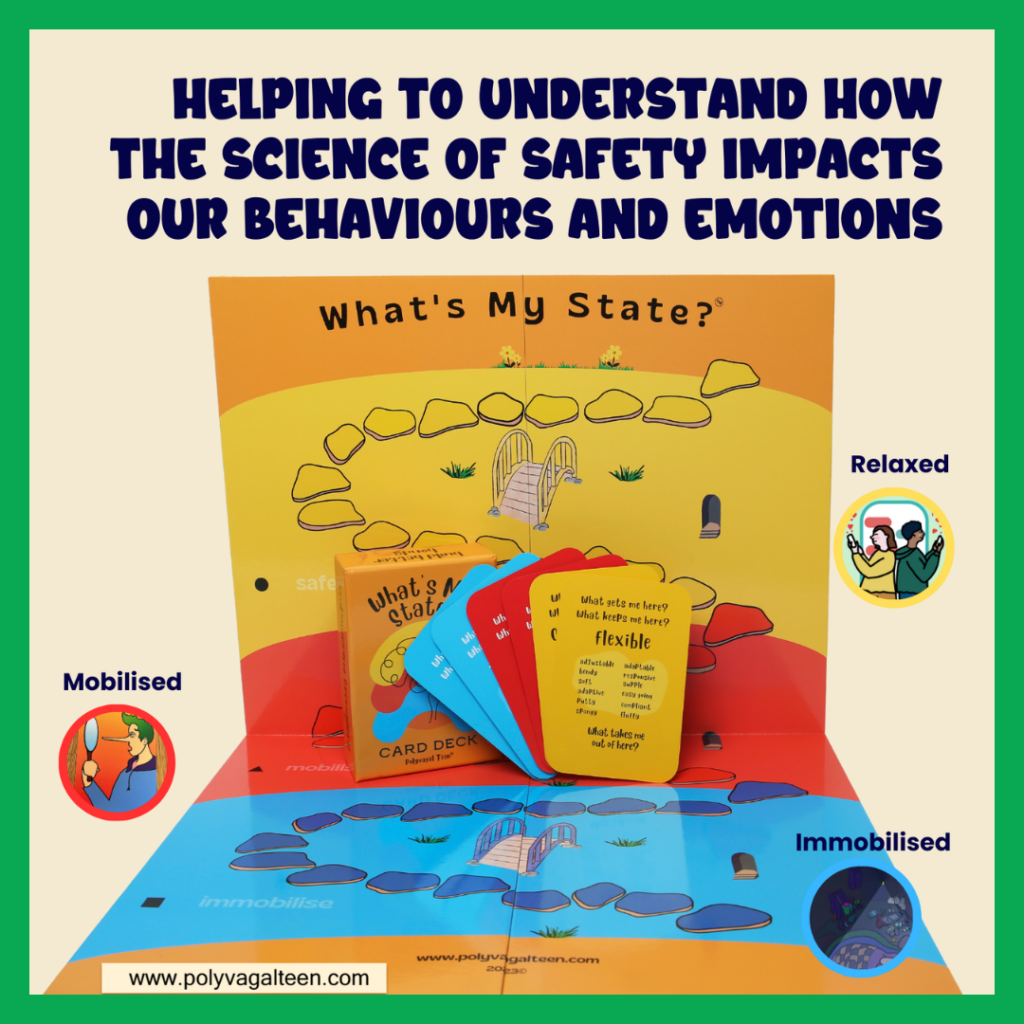
Why I Created the R.U.D Process® and What’s My State?® My Experience of Freeze The Demands Hidden Inside “How Do You Feel?” Why I Created the R.U.D Process® Why I Created What’s My State?® More Than Moving Towards a “Good” State How the Two Resources Connect Children Do Not Experience Their Nervous Systems in Isolation […]
The Person Who Says Less May Not Feel Less
One person says:
“I love you. I want this relationship. I choose you.”
The other says:
“You need to make your own decision. I don’t want to pressure you.”
It may be tempting to assume that the first person loves more. Their feelings are visible, affectionate, confident and unmistakable.
But what if the quieter person feels just as deeply?